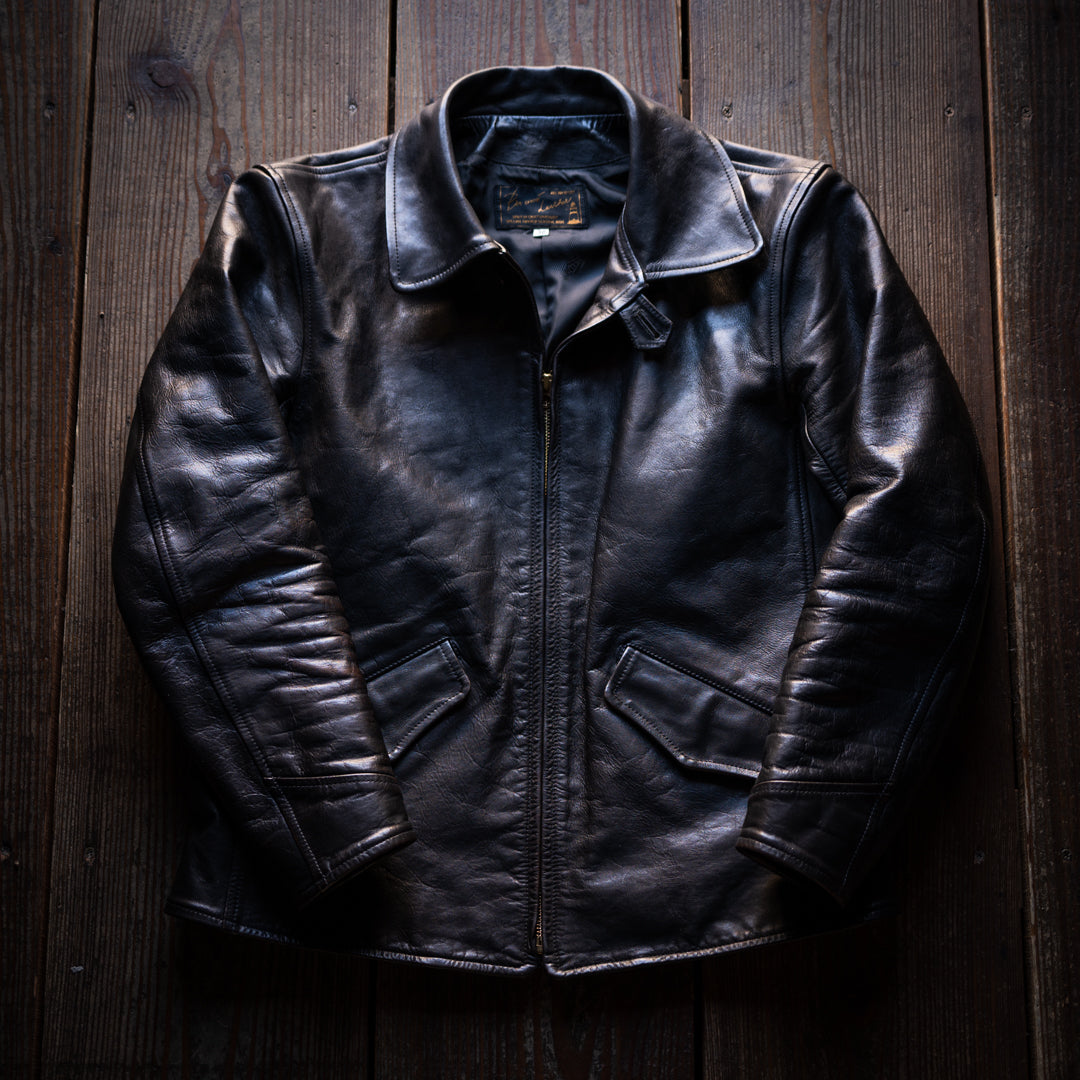


BONCOURA 43XX WWⅡ Denim Natural Indigo Dye 15th Anniversary Model
43XX WWⅡ Denim Natural Indigo Dye
15th Anniversary Model
Release date: January 24, 2026
Pre-orders now open
Orders will be shipped on or after January 24, 2026
Indigo seeds are sown in spring, grow steadily through the early summer, and reach their peak harvest season around midsummer.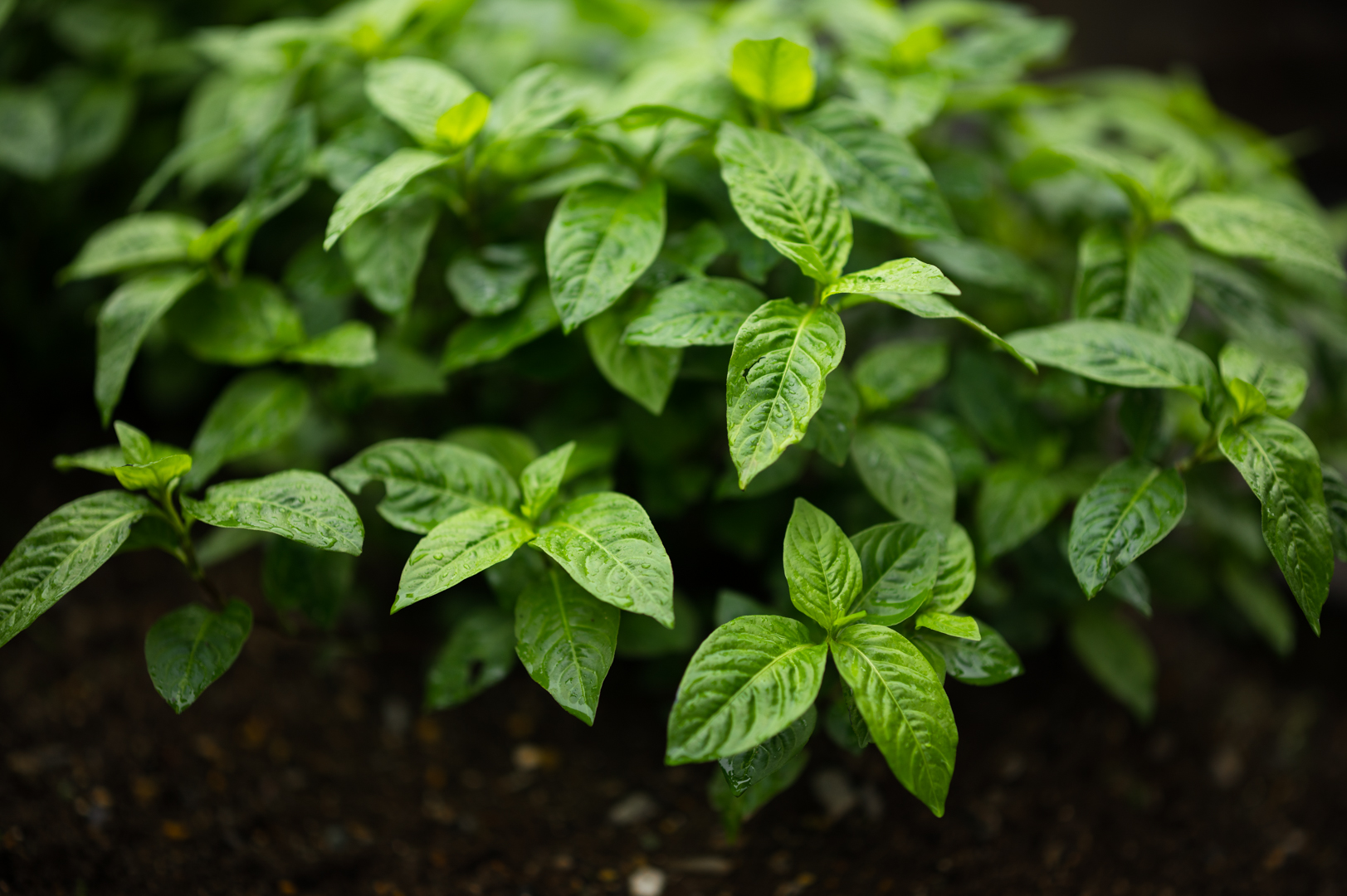
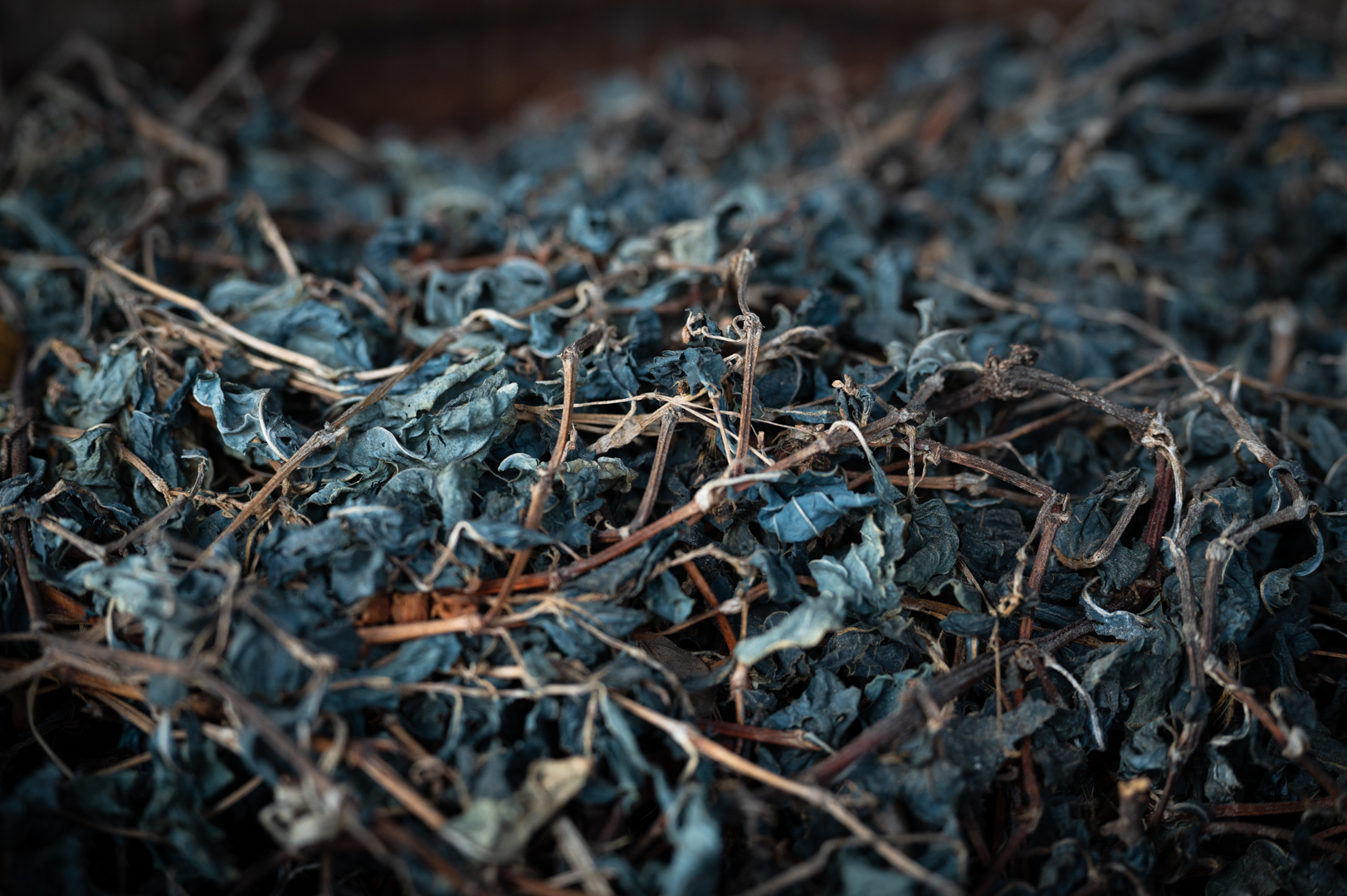
Once harvested and dried, the indigo leaves undergo a fermentation process, transforming into sukumo, the raw material used for natural indigo dyeing.
This fermentation alone takes approximately three to four months, during which artisans must carefully monitor temperature and conditions every single day.
The process of turning sukumo into a dye bath is equally delicate.
Because indigo is a living substance, precise control of temperature and pH is essential—without it, the color will not develop as intended.

When a dense foam known as ai-no-hana (“indigo flower”) appears on the surface of the dye bath, it signals that the liquid is finally ready for dyeing.
A fusion of tradition passed down through generations and modern technique.
Natural indigo dyeing is typically done using a method known as skein dyeing.
In skein dyeing, yarns are repeatedly hand-dyed, layer by layer, allowing the indigo to penetrate deeply into the fibers.
The darker the color pursued, the further the dye reaches into the core of the yarn.
While skein dyeing offers its own unique aging characteristics, it does not produce the pronounced fades and wear marks—such as whiskers and creases—that define denim at its best.
For BONCOURA, the essence of denim lies in these expressions of wear.
That belief led us to commit to rope dyeing, which leaves the core of the yarn undyed.
Rope-dyed yarns retain a white center.
As the denim is worn, the contrast between the rich indigo surface and the natural cotton core gradually reveals itself through fading and wear.


However, natural indigo sukumo is far more expensive than synthetic indigo, and the cost increases dramatically with each additional dyeing cycle.
Moreover, natural indigo contains more impurities and is inherently more difficult to dye, requiring significantly more repetitions and time—often more than double the labor.
Because of these costs, some products on the market are labeled as natural indigo while actually blending synthetic indigo to deepen the color.
Such differences are difficult to detect when the fabric is new, but they become clearly apparent as the denim fades, revealing a lack of vibrancy and depth.
For BONCOURA, producing a half-measure was never an option.
With the support of skilled artisans, we conducted countless trials to achieve a dye concentration that met our own uncompromising standard—finally arriving at a depth and clarity we could stand behind.
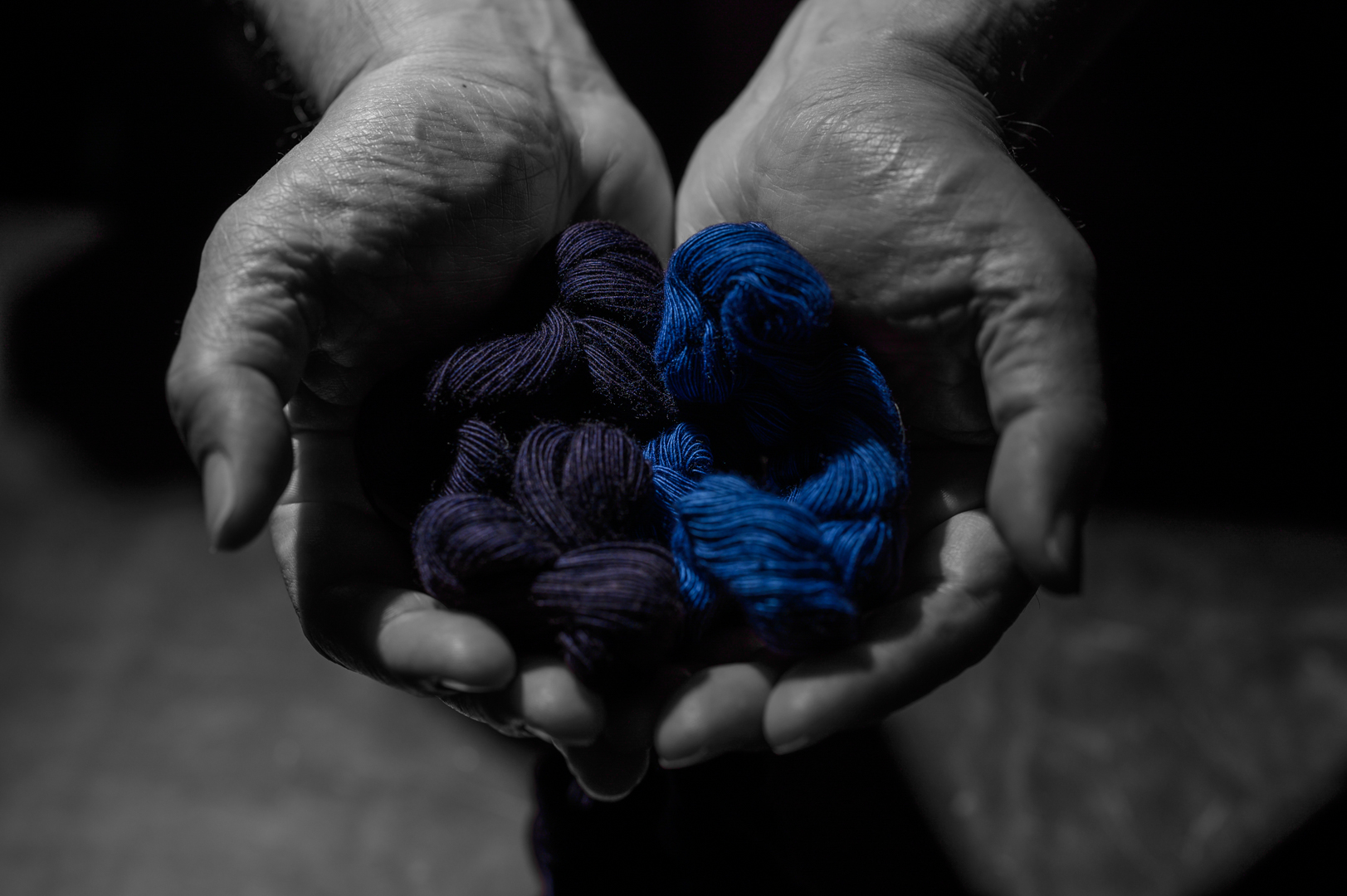
The one on the right has been dyed several times, showing the vivid color that is unique to indigo.
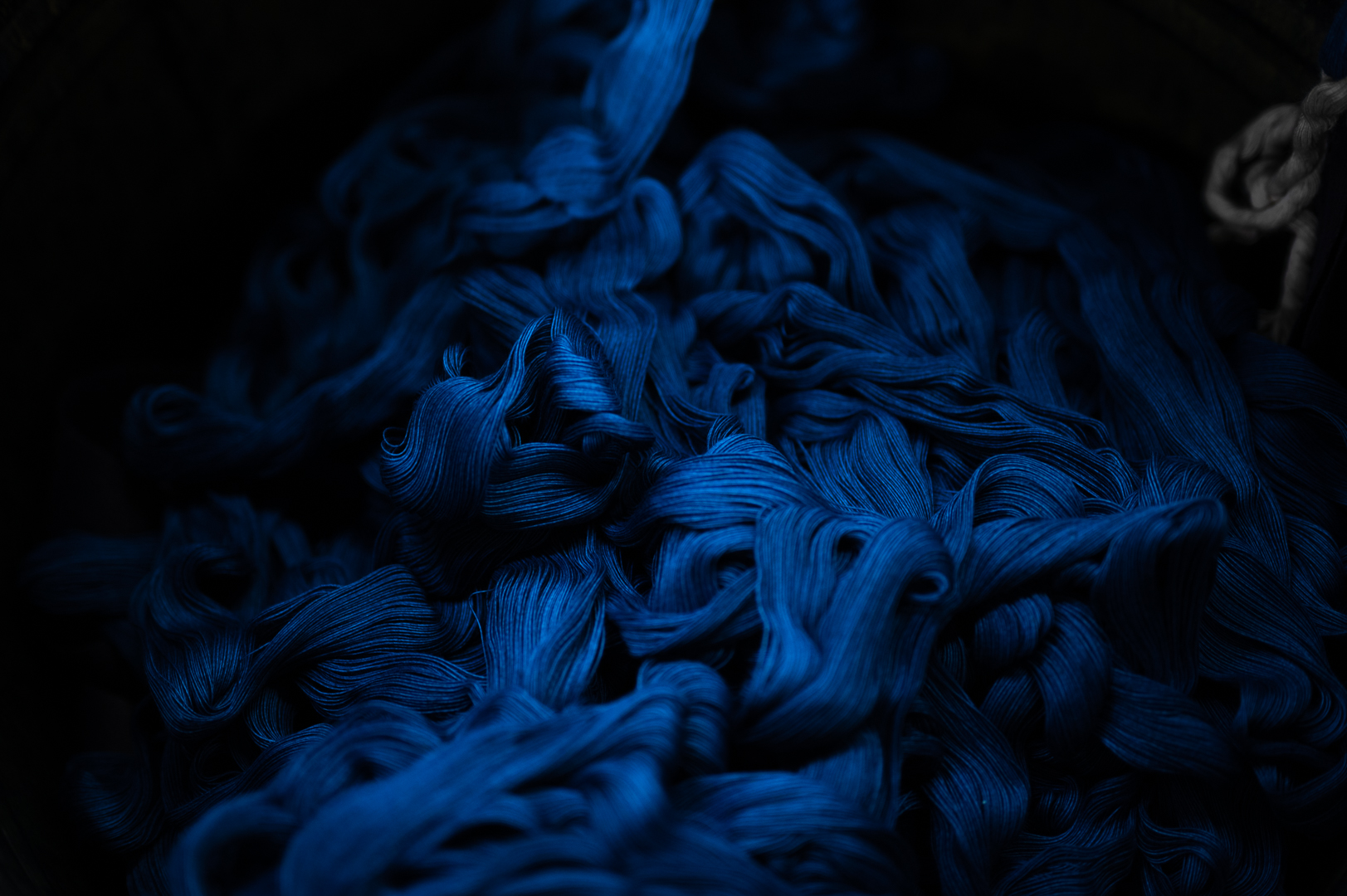
By layering it multiple times, we were able to achieve a color that could be described as dark blue, as shown on the left.
 100% natural indigo.
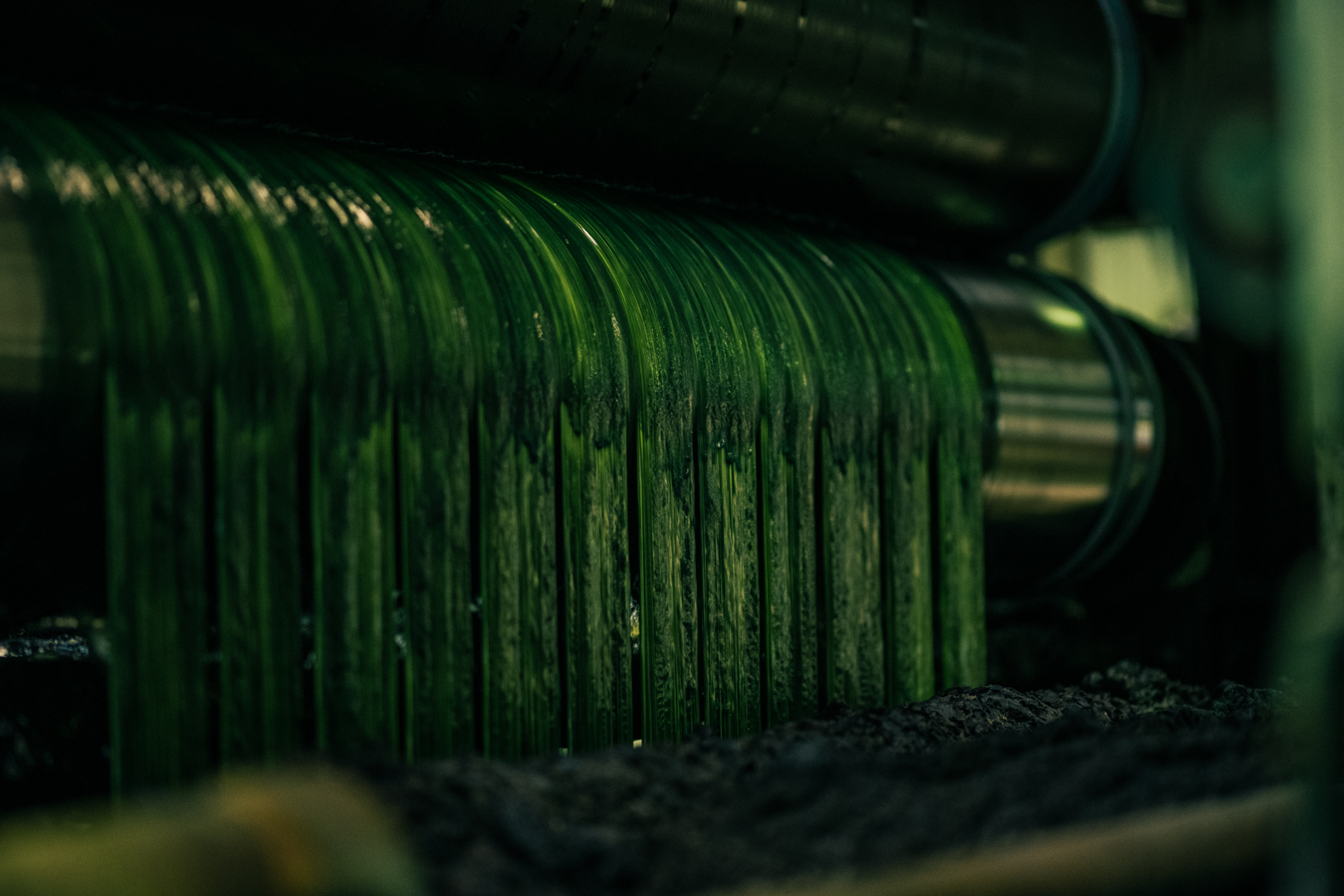
As the dye oxidizes through exposure to air, the color transitions from a slightly greenish hue into a vivid, unmistakable blue.


Breathing life into the fabric are old-style shuttle looms.
Though they may appear to operate mechanically, these looms rely heavily on the intuition and experience of craftsmen—adjusting for each loom’s individual characteristics and the condition of the yarn.


From cotton selection and spinning to dyeing and weaving, every step is carefully controlled to produce BONCOURA’s original denim.
All stitching is done with cotton thread, with thread count and sewing specifications adjusted for each section.
The leather patch is made from specially tanned deerskin, while the pocket bags use original broken herringbone fabric.
Both the pocket fabric and waistband label feature individually stamped markings created using a vintage typewriter.
The 43XX WWⅡ Denim Natural Indigo Dye is not a continuation of the WWⅡ model produced for BONCOURA’s 10th anniversary.
Instead, it is a completely reworked design—reconstructed from the ground up as a 15th anniversary piece.
Rather than building upon the previous model, we revisited original references and historical context, reinterpreting the rugged atmosphere of the wartime era through BONCOURA’s perspective.

The silhouette is slightly wider than the 10th anniversary version, emphasizing the weight and presence characteristic of the period.
Yellow stitching, reminiscent of wartime denim, is used throughout.
The back pockets are intentionally distorted, avoiding excessive symmetry and expressing the irregularities and individuality found in mass-produced garments of the time.

In terms of details, the rivets on the coin pocket, one of the characteristics of this era, have been deliberately eliminated.
Taking into account the circumstances of the time when materials were being simplified under material control, the specifications prioritized timeliness over strength and appearance. 
For the buttons, we developed an entirely new iron donut button specifically for this model.
While rooted in the simplicity of period metal buttons, it is a detail reinterpreted through BONCOURA’s own design language and stands as a symbol of this anniversary piece.

The pocket lining is made from military herringbone fabric and printed with the kanji for “indigo” to commemorate the 15th anniversary.
Meaning and intent are embedded in areas unseen—details meant to be discovered through ownership.

This is a pair of jeans that embodies both ruggedness and calculated balance—qualities BONCOURA has refined over 15 years.
It represents a new expression of the WWⅡ model, shaped by time, experience, and conviction.
One wash sales size chart is one wash.
| Size | Waist (cm) | Hip (cm) | Thigh (cm) | Knee (cm) | Hem (cm) | Rise (cm) | Inseam (cm) |
| 28 | 76.6 | 102.4 | 31.9 | 23.8 | 21.8 | 26 | 81 |
| 29 | 78 | 105 | 32.3 | 24 | 21.9 | 26.4 | 81 |
| 30 | 80.4 | 108 | 33.2 | 24.3 | 22.5 | 26.4 | 81 |
| 31 | 81.4 | 111 | 34.1 | 24.5 | 22.4 | 26.8 | 80 |
| 32 | 84 | 113 | 34.6 | 25.5 | 23 | 27.1 | 80.5 |
| 33 | 87 | 116.4 | 35.1 | 25.4 | 23 | 27.8 | 80 |
| 34 | 90 | 119 | 35.9 | 26.1 | 23.3 | 28 | 81 |
| 36 | 94.4 | 123.2 | 37.3 | 26.7 | 24 | 28 | 80 |
| 38 | 98.6 | 127.2 | 38.3 | 27.4 | 24.3 | 28.6 | 80 |
| 40 | 103.6 | 133 | 39.5 | 27.6 | 25 | 29.5 | 81 |
| Size | Waist (in) | Hip (in) | Thigh (in) | Knee (in) | Hem (in) | Rise (in) | Inseam (in) |
| 28 | 30.2 | 40.3 | 12.6 | 9.4 | 8.6 | 10.2 | 31.9 |
| 29 | 30.7 | 41.3 | 12.7 | 9.4 | 8.6 | 10.4 | 31.9 |
| 30 | 31.7 | 42.5 | 13.1 | 9.6 | 8.9 | 10.4 | 31.9 |
| 31 | 32 | 43.7 | 13.4 | 9.6 | 8.8 | 10.6 | 31.9 |
| 32 | 33.1 | 44.5 | 13.6 | 10 | 9.1 | 10.7 | 31.9 |
| 33 | 34.3 | 45.8 | 13.8 | 10 | 9.1 | 10.9 | 31.9 |
| 34 | 35.4 | 46.9 | 14.1 | 10.3 | 9.2 | 11 | 31.9 |
| 36 | 37.2 | 48.5 | 14.7 | 10.5 | 9.4 | 11 | 31.9 |
| 38 | 38.8 | 50.1 | 15.1 | 10.8 | 9.6 | 11.3 | 31.9 |
| 40 | 40.8 | 52.4 | 15.6 | 10.9 | 9.8 | 11.6 | 31.9 |
- Free worldwide shipping